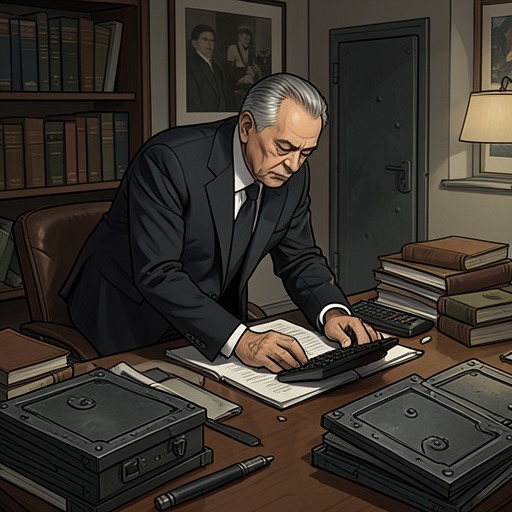
Barry Lancaster
The RainmakerBarry Lancaster is the lawyer at Jonathan Lake’s firm who hires Rudy Baylor to work on the Black family’s insurance case, then informs him that the firm will not keep him. His part in Rudy’s trajectory is defined by that reversal: Barry first offers a route into an established trial practice, but Lake’s objections make the offer temporary and leave the Black family’s representation in dispute.
Identity and Position
Barry is an experienced lawyer at Jonathan Lake’s firm, where he handles bad-faith insurance cases and works closely with Rudy on the Black file. He tells Rudy that he has tried several such cases, with varying success, and describes Memphis juries as so conservative that securing a just verdict can be difficult. Although Lake has obtained several million-dollar verdicts, Barry says he now prefers to try cases in other states. The account presents Barry as a working trial lawyer inside a firm whose practice is shaped by Lake’s authority and by the uncertain prospects of suing insurers in Memphis.
Barry’s position also reflects the firm’s guarded, compartmentalized atmosphere. Rudy initially has no key and must meet Barry at the front door; Barry explains that Lake is particular about access, in part because his phones were bugged years earlier during a bitter insurance lawsuit. Barry gives Rudy a temporary place to work in a small library overlooking the second floor, among medical-malpractice books, and says that a more suitable room will need paint and electrical repairs. He checks on Rudy periodically during the first days, but the lawyers and trial units keep largely to themselves.
Hiring Rudy and Taking on the Black File
Barry’s offer comes while Rudy is living with Miss Birdie and still preparing for the bar exam. He asks Rudy to bring the complete Black file to his office for a late-night meeting. There, he records the terms of employment on a Dictaphone: Rudy will be a paralegal for twelve months, earn $21,000 a year in equal monthly installments, receive no health insurance or other benefits during the first year, and work at least sixty hours a week. At the end of the year, the firm will consider whether to hire him as a lawyer. Rudy accepts the terms and asks when he can start; Barry answers that he can begin immediately.
Barry also establishes that his firm will become counsel of record for the Blacks against Great Benefit Life Insurance Company. Rudy will work on the case but will not receive any fees that might result. When Rudy discloses that he has filed for Chapter 7 bankruptcy, Barry tells him it will not affect his paycheck and makes clear that studying for the bar must happen on Rudy’s own time. The offer gives Rudy a job and a place on the case, but not an immediate path to an attorney’s position or a share in its possible recovery.
The two spend much of the next two days reviewing the file. Barry asks for documents, dates, and names; Rudy has the material organized and readily available, and Barry is impressed by his preparation. He notices that the Blacks have not signed a legal-services contract and repeatedly says one will be needed. Under Barry’s instructions, Rudy copies the file and drafts a forceful, four-page letter to Great Benefit detailing the relevant facts and alleged misconduct. Barry substantially revises it before it is sent. His supervision is practical and exacting: Rudy supplies the research and organization, while Barry retains editorial control and directs the case’s formal steps.
Experience and Authority
Barry’s experience gives Rudy an initial view of the difficulties in bad-faith litigation. He emphasizes that outcomes are not assured, especially in Memphis, where he believes juries are reluctant to award plaintiffs justice even though the city is a union town. His account contrasts the large verdicts Lake has won with Lake’s preference for trying cases elsewhere. Barry is thus both a source of professional guidance and a messenger for the limits imposed by local juries and the firm’s own hierarchy.
His authority over Rudy’s work is real but bounded. Barry can hire a paralegal, assign research, review a demand letter, and arrange to bring the Blacks into the firm. Yet Lake controls whether the arrangement stands. Barry initially presents the position as settled, but does not have the power to secure Rudy’s place against Lake’s later decision.
The Offer Withdrawn
The reversal reaches Rudy through Dot Black. She tells him that Barry called her, identified himself as her lawyer, and asked her and Donny Ray to come to the office to sign documents. Dot says Barry also told her that Rudy no longer worked there. Rudy, who has been studying at home, is caught off guard. He tries to reassure her that Barry may have forgotten that he is new, then promises to call and find out what is happening.
Barry tells Rudy that Lake will not approve his position. He explains that Lake objects to placing a lawyer in a paralegal role because such a person might try to force a way into the next associate opening; Barry says he now agrees that the arrangement is bad business. He also says Lake reprimanded him for considering the hire. Barry apologizes, but refuses Rudy’s request to speak directly with Lake, saying Lake is too busy and would not agree to it. The explanation recasts the original offer: the problem is not Rudy’s work on the file, but the firm’s concern about the professional status and future ambitions attached to his role.
Break with Rudy
After Lake’s office is destroyed by fire, Rudy calls Barry before six in the morning. He tells him that the Blacks filed suit against Great Benefit the previous day and signed a release terminating the firm’s representation. Barry immediately asks how Rudy managed to file. Rudy declines to explain, says the filing is none of Barry’s business, and offers to send a copy of the lawsuit. The exchange confirms that Rudy has proceeded without the firm and that Barry no longer controls the Black case.
The call then turns to the fire. Rudy insists that he had nothing to do with it and warns Barry not to implicate him, threatening to sue if Barry continues to use his name in connection with the arson. Barry challenges Rudy’s refusal to explain the filing, but Rudy ends the call before Barry can respond. The scene does not establish that Barry had any part in the fire; it shows instead how quickly the former employer and employee have become adversaries. Barry’s arc is consequently less a story of independent triumph or villainy than a portrait of delegated authority: he opens a door for Rudy, withdraws when Lake intervenes, and is left outside the case when Rudy takes it forward alone.